Chimney Leak Repair in Morristown, NJ Starts With the Source
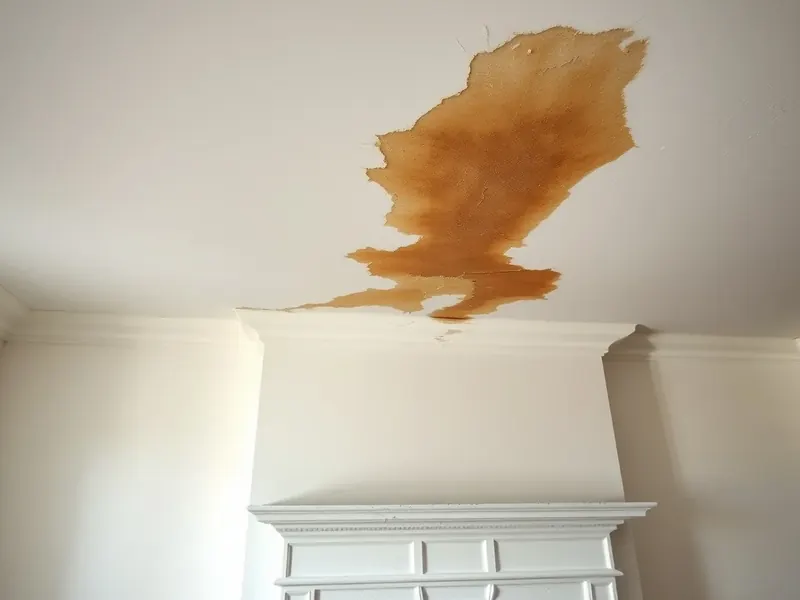
The Morristown area gets more than 50 inches of precipitation in a typical year, and plenty of it arrives sideways. Nor'easters can sit over Morris County for a day or more, pushing rain against the windward side of every chimney in town. That is why so many chimney leaks appear only in certain storms: the ceiling stain beside the fireplace shows up after a northeast wind, dries out, and seems to go away until the next one.
Chimney leak repair in Morristown, NJ is mostly detective work. Water can enter at the top, travel down inside the chimney and show up two floors lower. Patching the stain or smearing roofing cement around the base rarely solves anything. We find where the water gets in, fix that, and then protect the rest of the masonry so it stays dry.
Where Water Gets Into a Chimney
Flashing
The metal where the chimney meets the roof is the most common culprit. Old tar patches, loose counter-flashing and missing step flashing let water run behind the roofing. Wide chimneys on larger older houses may also need a cricket, a small peaked section of roof that sheds water around the uphill side of the chimney.
Crown and cap
A cracked crown lets water straight into the chimney structure, and a missing cap lets rain fall directly down the flue.
Brick and mortar
Brick is porous, and eroded mortar joints soak up water like a sponge during long, wind-driven rains.
Condensation that looks like a leak
In older Morristown homes that have switched from oil to gas, a gas boiler venting into an oversized or unlined masonry flue can produce enough condensation to stain walls and drip from the cleanout. It looks like a roof leak but calls for a properly sized chimney liner, not new flashing.
How We Diagnose a Chimney Leak
- Talk through when the leak appears: during a nor'easter, a summer thunderstorm, or snowmelt after a big Morris County snowfall.
- Inspect the roof, flashing, crown, cap and brick up close.
- Check the attic side and the interior with a moisture meter.
- Run a camera through the flue if water may be entering from inside.
- When needed, water-test one area at a time to confirm the entry point.
You get photos of what we found and a written estimate. Most leaks trace back to one or two failures, and fixing those first is often all it takes.
Waterproofing That Lets the Chimney Breathe
Once repairs are done, we can apply a vapor-permeable water repellent made for masonry chimneys. It keeps rain from soaking in while letting moisture inside the brick escape. That second part matters: paints and non-breathable sealers trap water in the brick, and in a freeze-thaw climate like northern New Jersey's that trapped water freezes and breaks the face of the brick apart.
We also use flexible, breathable coatings on sound crowns with minor cracking, and we replace flashing with properly lapped step and counter-flashing set into the mortar joints rather than glued to the brick face. On older Morristown homes with slate or specialty roofing, flashing work needs a careful hand, so we plan roof access to avoid breaking roof material.
What to Check After a Nor'easter
- Stains or damp spots on ceilings and walls next to the chimney
- Water in the firebox or a rusty damper
- Musty odors from the fireplace in the days after a storm
- A missing or tilted chimney cap
- Loose flashing, or bricks and mortar sand on the roof or ground
If water is actively coming in, 1stCall Emergency Chimney can tarp or temporarily seal the chimney at any hour through our emergency chimney service, then schedule permanent repairs once the weather clears. Storm-damaged tops often need cap and crown repair as part of the fix. We take leak calls from Morristown out to Denville and every town in between.
Leaks in Two-Family Houses and Condo Buildings
In a Morristown two-family house or condo building, the unit with the stain is often not the unit with the problem. Water entering at a shared crown, or at flashing above one unit, can travel down the chimney and appear on a neighbor's ceiling a floor or two below. We inspect the whole stack, not just the room with the stain, and provide photos and a written scope that owners, landlords and condo associations can all work from. Giving everyone the same information early usually gets the repair approved and finished faster.