24/7 chimney services based in downtown Morristown
1stCall Emergency Chimney provides chimney services in Morristown, NJ, and it is built around one idea: when something goes wrong with a fireplace, flue or chimney, you should be able to reach someone who knows what to do, at any hour. We answer around the clock for chimney fires, smoke pouring into a room, carbon monoxide alarms, storm damage, trapped animals and sudden leaks, and we send a trusted chimney pro from our local network who works in your part of town. When nothing is on fire, the same number books the everyday chimney services a Morristown house needs: sweeping, camera inspections, relining, crown and cap work, and masonry repair.
Working from the middle of town matters for emergency calls. Morristown covers only about three square miles and is completely surrounded by Morris Township, so the Green, the Macculloch Avenue blocks, Speedwell Avenue and the streets below Fort Nonsense are all a short drive for a local chimney pro, while Interstate 287 and Routes 24, 202 and 124 put the rest of central Morris County within easy reach. That counts at two in the morning, when a flue fire has just been knocked down and a family needs to know whether the chimney is safe before anyone goes back to bed.
If you already know what you need, start with our 24/7 emergency chimney service or book a routine chimney sweep and cleaning before the heating season picks up. Otherwise, the sections below walk through the problems we see most often in Morristown homes and how we handle each one.
Chimney emergencies that should not wait until morning
Some chimney problems can wait for a weekday appointment. These are the ones we tell Morristown homeowners to call about right away, day or night:
- A suspected chimney fire. A loud rumbling or roaring sound, a chimney breast that is hot to the touch, dense dark smoke from the top of the stack, or flakes of burnt creosote landing in the yard. Get everyone out, call 911, and let the fire department clear the scene first. Afterward, the flue needs an inspection for cracked tiles and heat damage before anyone lights another fire.
- Smoke or fumes inside the house. Smoke rolling out of the firebox, or a heavy exhaust smell near a boiler, furnace or water heater, often points to a blocked or partly collapsed flue.
- A carbon monoxide alarm. New Jersey requires CO alarms near sleeping areas in homes with fuel-burning appliances, and when one sounds it deserves to be taken seriously. Get outside, call 911, and have the venting checked before the appliance runs again.
- Storm damage. A nor'easter or a summer thunderstorm can drop a limb on a chimney, tear off a cap or loosen the top courses of brick. Loose masonry above a sidewalk, porch or driveway is a safety hazard as well as a leak waiting to happen.
- Animals and sudden leaks. Raccoons, squirrels and birds move into uncapped flues, and a failed crown or flashing can send water through a ceiling in the middle of a downpour.
Once the immediate danger is handled, chimney fire damage repair or leak work usually follows. The U.S. Fire Administration publishes practical home heating fire safety guidance that is worth reading before winter.
Why Morristown's historic houses need a closer look at the flue
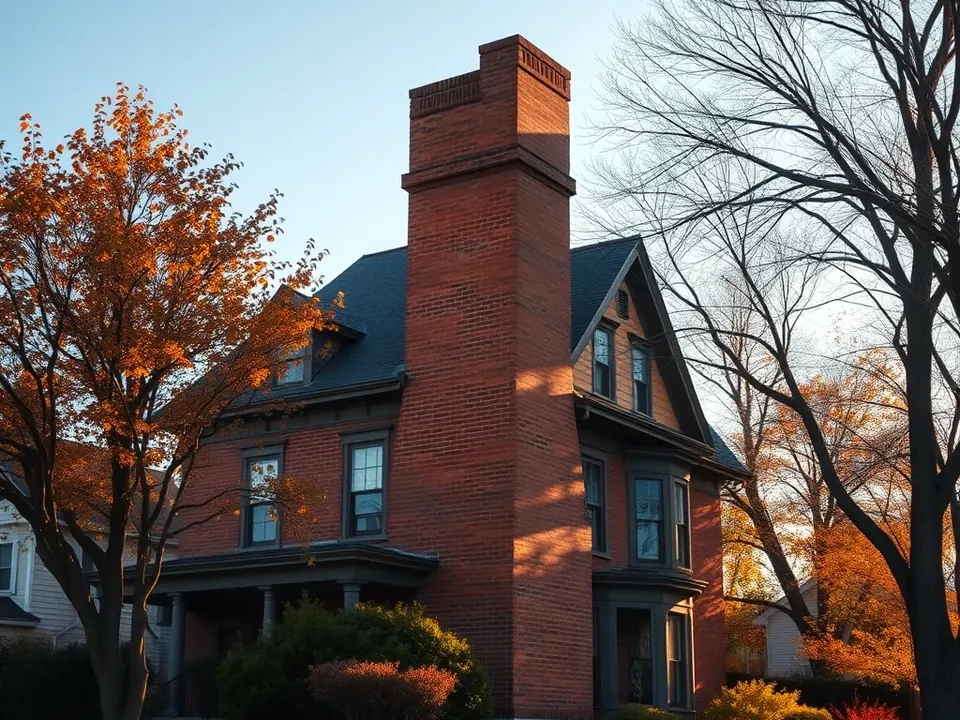
Morristown's housing is older than most of Morris County's. The Morristown Historic District, listed on the National Register of Historic Places in 1973 and expanded in 1986, takes in blocks of South Street, DeHart Street, Macculloch Avenue, Farragut Place and the streets around them, and Victorian houses are its most common building type. Macculloch Hall, the Federal-style brick mansion begun in 1810, sits at its heart, and the Ford Mansion that served as Washington's headquarters dates to 1772. Many of the side streets beyond the district share the same late nineteenth and early twentieth century character, with Queen Anne and Colonial Revival houses mixed among them.
Chimneys from those eras were built for coal and wood. Many were never lined, and many others were lined with clay tiles that crack after a century of heating cycles. Three situations come up again and again in town:
- Oil-to-gas conversions. A boiler switched from oil to gas often still vents into the original oversized masonry flue. Cooler gas exhaust condenses in a flue that large, and the acidic moisture eats mortar joints from the inside. The usual fix is a correctly sized stainless steel liner.
- Houses split into apartments or condos. A large Victorian divided into two or three units may have several appliances and fireplaces tied into one chimney, sometimes in ways nobody documented.
- Fireplaces that sat unused for years. New owners want to light the parlor fireplace, but no one knows what the flue behind it looks like.
A camera inspection shows exactly what is inside the flue, and chimney liner installation and relining with a UL 1777 listed system brings an old chimney up to modern standards without changing how the house looks from the street.
Everyday chimney services, from the firebox to the crown
Most of our calendar, especially from September through December, is routine work that prevents emergency calls in the first place. NFPA 211, the national standard for chimneys, fireplaces and vents, calls for an inspection every year and cleaning when deposits build up, and that is the rhythm we recommend to Morristown homeowners who use a fireplace or wood stove regularly.
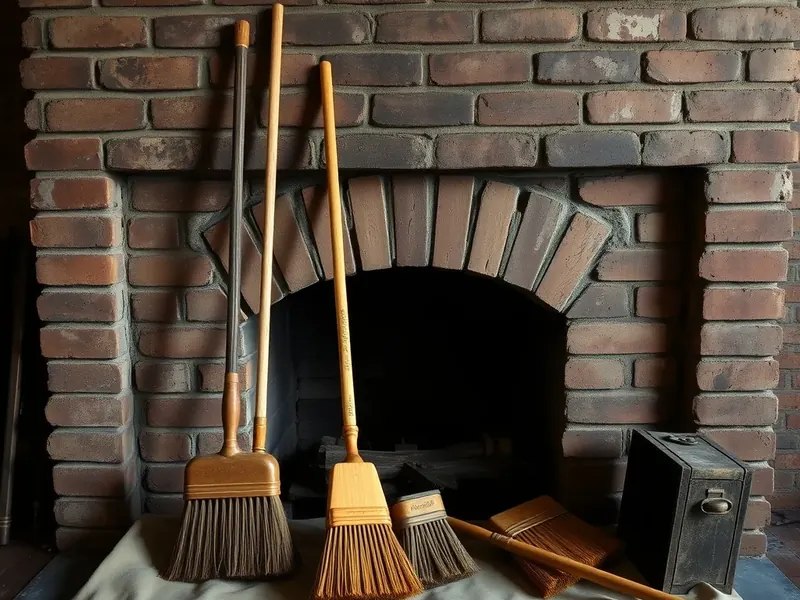
- Sweeping and cleaning removes creosote, soot and nesting debris so the flue draws properly and a chimney fire has nothing to feed on.
- Inspections follow the NFPA 211 levels: a Level 1 check of the readily accessible parts, a Level 2 with a video scan of the entire flue, and a Level 3 when hidden damage has to be exposed.
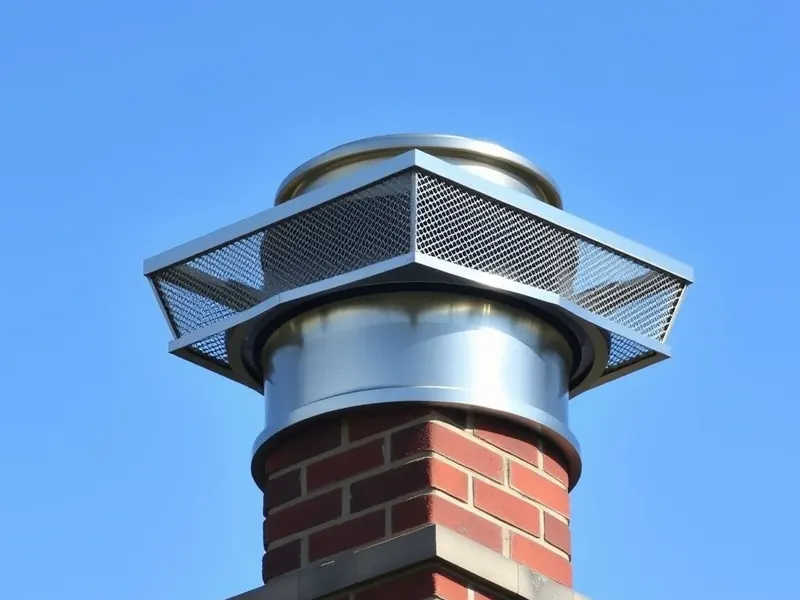
- Cap and crown repair stops rain, leaves and animals at the top of the stack, where most water damage begins.
- Masonry and tuckpointing replace failed mortar and spalled brick, using mortar suited to older, softer brick rather than hard modern mixes that can crack it.
- Fireplace and damper repair fixes rusted or stuck dampers, cracked firebrick and smoke chambers that pull poorly.
Buying a house in Morristown? The state certificate for smoke and carbon monoxide alarms required at resale covers the alarms only, not the chimney. A separate Level 2 inspection before closing is the only way to know what is inside an old flue, and in a town where so many chimneys are a century old or more, it is one of the most useful checks a buyer can order.
How a North Jersey winter wears down chimney masonry
Morristown knows hard winters. The Continental Army's 1779 to 1780 encampment, preserved today at Morristown National Historical Park, came during what is often described as the coldest winter on record. Modern winters are milder, but the cycle that damages chimneys has not changed: rain and melting snow soak into brick and mortar, freeze overnight, and expand.
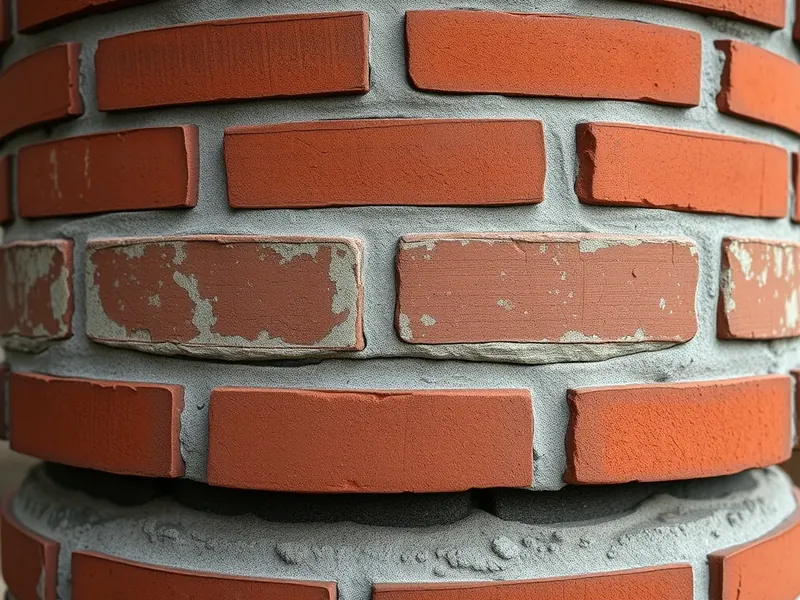
Each freeze-thaw cycle widens hairline cracks a little more. The concrete crown at the top of the chimney usually fails first. Then water reaches the bricks below and starts popping off their faces, a condition called spalling. White, chalky staining on the outside of a chimney, known as efflorescence, means water is moving through the masonry. Indoors, the first clues are often a damp or musty smell from the fireplace after rain, rust on the damper plate, or a stain on the ceiling or wall beside the chimney breast.
Chimneys on exposed hilltops and heavily wooded lots take the worst of it, and the Morristown area has plenty of both. Branches rub against flashing, leaves pile up behind the stack, and shade keeps masonry wet for days after a storm. Catching a problem at the crown or the flashing is far less disruptive than rebuilding the top of a chimney later, which is why every inspection we do looks at the outside of the chimney as closely as the flue.
What to expect when you call 1stCall Emergency Chimney
Whether it is a midnight emergency or a sweep booked weeks ahead, the process is the same:
- We answer and triage. We ask what you are seeing, smelling or hearing and tell you what to do right now, including when to call 911 first or shut an appliance off.
- A local pro arrives prepared. The technician brings drop cloths, HEPA vacuums and camera equipment. Downtown and in Morristown's condo and apartment buildings, parking and roof access are planned ahead, and building management is brought in when a shared chimney is involved.
- You see what the technician finds. Photos or live video of the flue, crown and flashing, explained in plain language.
- You get a written estimate before repairs begin. Emergency stabilization, such as tarping a damaged stack or capping an open flue, is kept separate from permanent repairs so you can make the bigger decisions in daylight.
- The room is left clean. The hearth, floor and furniture are left the way they were found.
We work throughout Morristown and the towns around it, from Morris Township and Madison to Parsippany, Randolph and Denville. Every town we cover is listed on our service areas page.