Emergency Chimney Service in Morristown, NJ, at Any Hour
Chimney problems rarely wait for business hours. A flue fire starts on the coldest night of the week, a nor'easter tears the cap off during a Sunday storm, or a carbon monoxide alarm goes off at 2 a.m. in a freshly renovated Victorian a few blocks from the Morristown Green. 1stCall Emergency Chimney is built around exactly those moments. Our emergency chimney service in Morristown, NJ answers 24/7, talks you through what to do right away, and sends a local chimney pro to stabilize the chimney and tell you plainly whether it is safe to use.
From the older streets south of South Street to homes along Route 24, Route 124 and US 202, we cover the whole town and the surrounding Morris County communities we serve. Interstate 287 lets a local chimney pro move across the county quickly at night, when a chimney that is smoking, leaking or burning cannot sit until Monday.
What to Do Before the Technician Arrives
The first few minutes matter more than anything we do later. Keep this short list in mind:
- Chimney fire (a loud roar, dense smoke, sparks or flames from the top of the chimney): get everyone out and call 911 first. If you can do it safely, close the glass doors or the damper to starve the fire of air. Never pour water into a hot firebox; the steam and thermal shock can crack clay flue tiles.
- Carbon monoxide alarm: leave the house, call 911 from outside, and do not go back in until the fire department says it is clear. If gas appliances are involved, call your gas utility too.
- Smoke backing into the room: stop adding wood, open a window near the fireplace, and switch off kitchen and bath exhaust fans, which can pull smoke down the flue.
- Water pouring in during a storm: set out buckets and towels, move rugs and furniture, and keep the fireplace out of service until it is checked.
- Animal in the flue: keep the damper and fireplace doors shut so it cannot get into the house, and never light a fire to smoke it out.
In two-family houses, row houses and small apartment buildings around downtown Morristown, several units can share one chimney stack, so let your neighbors know as well. Once everyone is safe, call us.
The Emergencies We See Most Around Morristown
Chimney fires in older flues
Many Morristown houses are well over 80 years old, and their chimneys have either aging clay tile liners or no liner at all. Creosote built up in those flues can ignite from one hot fire. Some chimney fires are loud and obvious; others smolder quietly and are only discovered at the next sweep.
Smoke and carbon monoxide in tight, renovated homes
New windows, spray-foam insulation and powerful range hoods make a house efficient, but they can also starve a fireplace or boiler of air. When the house pulls harder than the chimney, smoke and combustion gases flow the wrong way. We see it often in Victorian and Colonial Revival homes that were carefully updated inside while the chimney was left as it was.
Storm damage
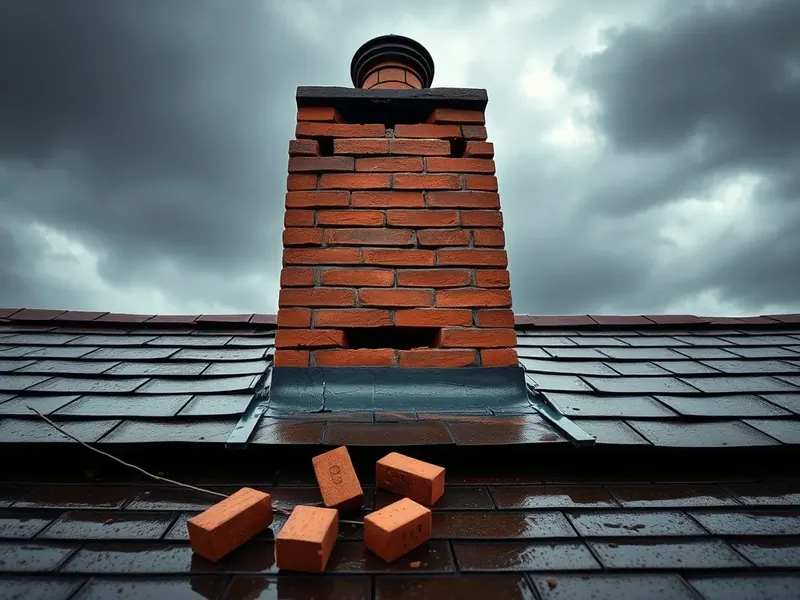
Nor'easters can drive rain against Morris County chimneys for a day or more, and winter storms add ice and heavy snow. Caps blow off, crowns crack, flashing lifts, and water that stayed out for years suddenly shows up on a ceiling.
Animals and blockages
Raccoons, squirrels and birds treat uncapped flues as shelter, especially in wooded neighborhoods toward Morristown National Historical Park. Nests and debris block the flue and can push exhaust back into the house.
How an Emergency Visit Works
When you call, we ask a few quick questions to judge urgency and make sure everyone is safe. Then:
- Arrival and walk-around. The technician checks the fireplace or appliance, the flue, the attic and the chimney exterior.
- Make-safe work. Tarping or temporarily capping the chimney, sealing a damaged opening, removing an animal or nest, or taking a flue out of service until it can be repaired.
- Camera look inside the flue when conditions allow, so every decision is based on what is really there.
- Written findings. If permanent repairs are needed, you get a written estimate to review in daylight. Nobody should be pushed into major work at midnight.
In condo and apartment buildings near the Green, we coordinate with the building manager or association so every unit connected to the stack is accounted for before anyone relights a fire or restarts a boiler.
After the Emergency: Getting the Fireplace Back in Service
NFPA 211 calls for a Level 2 inspection after a chimney fire, a severe weather event or any malfunction likely to have damaged the chimney. We schedule that follow-up and document everything with photos and flue video that you can pass along to your insurance carrier. From there the work may be chimney fire damage repair, new flashing through our chimney leak repair service, or a new liner.
New Jersey requires carbon monoxide alarms near sleeping areas in any home with a fuel-burning appliance or fireplace, and a compliance certificate before a one- or two-family home is sold or rented. If your alarms are old or missing, replace them before the heating season; the CPSC's carbon monoxide guidance is a good place to start. For the rest of the year, a routine chimney sweep is still the surest way to avoid a late-night call to 1stCall in the first place.