Fireplace and Damper Repair in Morristown, NJ
The chimney gets most of the attention, but the parts inside the room matter just as much. The damper controls the draft and closes the flue when the fireplace is off; the firebox holds the fire; the smoke chamber above it funnels smoke into the flue. When any of those fail, you get smoke in the room, heat pouring out through the chimney, or a fire sitting too close to combustible framing. Fireplace and damper repair in Morristown, NJ covers all of it.
Many of the fireplaces we work on in town are older than the families living with them. Victorian and early 20th-century homes in the historic district and in the Washington's Headquarters neighborhood often have original cast-iron dampers, firebrick that has seen a century of fires, and rough smoke chambers that were never smoothed or parged.
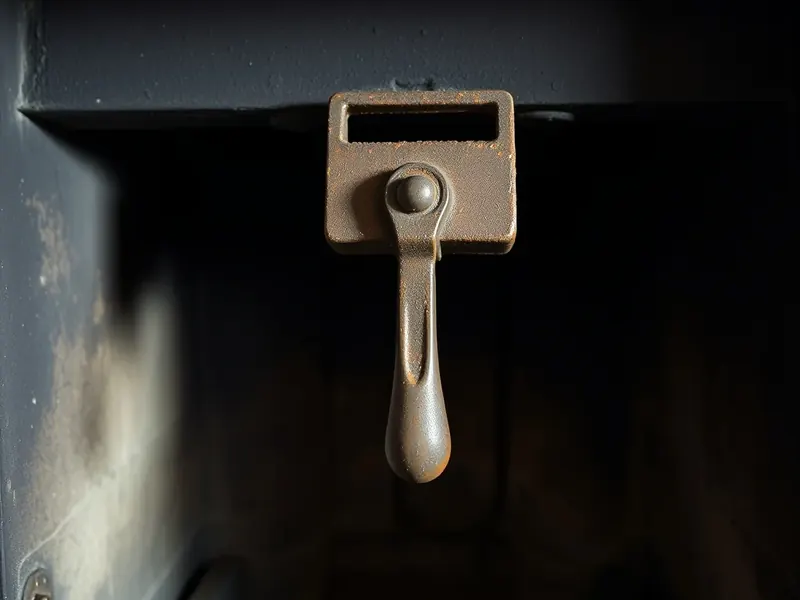
Damper Problems We Fix
- Stuck or rusted dampers. Moisture from rain or condensation rusts throat dampers shut or open.
- Warped plates. Heat from hot fires or a chimney fire bends the plate so it no longer seals.
- Broken handles, chains and pivots.
- Missing dampers, common in older fireplaces that have been altered over the years.
Sometimes the old throat damper can be repaired. Often the better answer is a top-sealing damper, mounted at the top of the flue and operated by a cable in the firebox. It closes against a gasket, which stops cold air from dropping down the chimney, keeps rain and animals out, and cuts heat loss up the flue. In a drafty older Morristown home, where winter nights regularly dip into the 20s, that seal makes a noticeable difference.
Firebox, Smoke Chamber and Hearth Repairs
Firebrick and the refractory mortar between it take direct flame. Over time joints erode, bricks crack and panels loosen. We replace damaged firebrick and repoint with heat-rated refractory mortar, never ordinary mortar. Above the damper, rough, stepped smoke chambers catch creosote and slow the draft; parging them smooth with a heat-resistant coating improves draft and reduces creosote buildup. We also repair cracked hearths and hearth extensions and check that mantels and trim sit a safe distance from the opening. Hearths in older houses were sometimes built smaller than current standards call for, and we can tell you whether an extension is worth adding.
Some Victorian-era fireplaces were built shallow for coal grates rather than wood fires. If you have one in a Morristown home, we can tell you whether it is suitable for wood, better suited to gas logs, or best kept decorative.
Why Fireplaces Smoke in Renovated Homes
A fireplace that drafted fine for decades can start smoking after a renovation. New windows, spray-foam insulation, powerful range hoods and bath fans make the house tighter and let it pull air down the chimney instead of up. We see it regularly in updated Victorian and Colonial Revival homes around Morristown. Other common causes:
- A fireplace opening too large for the flue
- A chimney too short for the roofline, or overshadowed by a taller addition or trees
- A cold flue on an outside wall
- A partly closed or broken damper, or a blocked flue
We diagnose smoke problems with the house running normally, fans on, and fixes range from a smoke guard across the top of the opening to a flue extension or a fresh-air supply. Because the same negative pressure can pull exhaust from a gas boiler or water heater back into the house, New Jersey requires carbon monoxide alarms near sleeping areas in homes with fuel-burning appliances or fireplaces. The CPSC's carbon monoxide page explains the warning signs.
Getting Your Fireplace Ready for Winter
Fall is the best time for fireplace repairs, before the first cold nights bring everyone indoors. We usually pair damper and firebox work with a chimney sweep so the whole system is cleaned and checked in one visit, and we will recommend a chimney inspection if anything points to hidden flue damage. 1stCall Emergency Chimney repairs fireplaces across Morristown and in nearby towns like Morris Township and Madison.
A quick pre-season check helps you spot trouble before the first fire. The damper should open fully, close firmly and stay where you set it. With the damper closed, shine a flashlight up from the firebox; you should see no daylight. Look for fallen mortar or firebrick pieces on the hearth, and test your carbon monoxide alarms. If anything seems off, tell us when you book, so the technician arrives with the right parts and can often finish the repair in the same visit, well ahead of the first Morris County cold snap.