Short answer
A fireplace smokes into the house when its flue is cold, closed or partly blocked, wind presses down on the chimney, or the house pulls air down the flue. Open the damper fully, crack a window, switch off exhaust fans and burn small, hot fires of dry, split wood. A carbon monoxide alarm, or smoke from walls or ceilings, means getting everyone outside and calling 911.
Why Smoke Comes Into the House From the Fireplace
A fireplace works because hot smoke is lighter than the air around it. As long as the column of warm gas in the flue pulls harder than anything inside the house, smoke goes up and out. When smoke comes into the house from the fireplace instead, something has tipped that balance: the flue is cold, closed off or partly blocked, wind is pressing down on the chimney top, or the house itself is drawing air in through the largest opening it can find, which is the fireplace.
Morris County supplies all of those conditions. The state places 32 of the county's municipalities, Morristown and Randolph among them, inside the New Jersey Highlands region, so many chimneys stand on slopes and ridges with tall trees close by. A lot of older homes have been renovated until they are far tighter than when their fireplaces were built. And every fall, chimneys that sat cold since spring are expected to start drawing on the first chilly evening. Below, the causes come one at a time, followed by quick checks and the point where smoke becomes an emergency.
Fall Start-Up: Cold Flues and Dampers Left Partly Closed
The most common smoky-fireplace complaint of the fall comes from the first fire of the season. A chimney built up an outside wall, as on many Colonial Revival and Victorian houses in Morristown and Madison, fills with cold, heavy air over the summer. Light a fire under that cold column and the smoke has to shove it aside before a draft forms, so the first few minutes roll smoke out of the opening. Chimneys running up through the middle of the house stay warmer and start more easily.
To get a cold flue drawing:
- Open the damper all the way and confirm it with a flashlight before you strike a match. A throat damper that rusted over a humid summer may move only partway, and the cable of a top-sealing damper can slip so the lid lifts just an inch or two.
- Crack a window in the same room for the first few minutes so the fire is not competing with the house for air.
- Start small and hot with dry kindling and split, seasoned wood, and add bigger pieces once the flue has warmed. A top-down fire, with kindling laid over the larger splits, tends to heat the flue with less smoke.
If the damper handle moves but the plate does not, or the plate is warped or rusted through, get it fixed before winter; our fireplace and damper repair work covers throat and top-sealing dampers alike.
Blockages: Nests, Leaves, Fallen Tile and Creosote
A flue that is partly blocked cannot carry all the smoke a fire produces, and the overflow comes back into the room. On the wooded lots of Morris Township, Chatham Township and the neighborhoods around Denville's lakes, the usual culprits are:
- Nests and animals. Squirrels, raccoons and birds move into uncapped chimneys. Chimney swifts nest in flues during the warm months and are protected under the federal Migratory Bird Treaty Act, so their nests are removed only after the birds leave in the fall.
- Leaves and twigs that blow into an open flue or pile up on the smoke shelf behind the damper.
- Broken clay tile from an aging liner, lodged at a bend in the flue or resting on the smoke shelf.
- Heavy creosote that narrows the flue, especially after a season of slow, smoldering fires.
With the fire out and the damper open, shine a flashlight up the flue. You should see daylight or the underside of the cap, not a dark mass. Twigs, leaves, tile chips or black flakes on the firebox floor are another clue. Never light a fire to drive an animal out. A chimney sweep clears the flue, and a screened cap fitted through our cap and crown repair service keeps the next nest out.
Downdraft From Hills, Tall Trees and Short Chimneys
Wind is the next suspect when a fireplace smokes only on certain days. Air flowing over a ridge, a taller roof or a stand of trees tumbles down on the far side, and a chimney sitting in that eddy can have smoke pushed back down the flue. Houses set below a ridge in Randolph or Denville, or ringed by mature trees in Morris Township, run into this more often than homes on open, level lots.
Chimney height plays a part too. Building codes generally require a chimney to rise at least 3 feet above the point where it passes through the roof and at least 2 feet higher than any part of the building within 10 feet. Second-story additions and dormers built after the chimney can leave an old stack too short by that measure, and a fireplace that drew well for decades starts smoking once the new roof goes up.
Opening size matters as well. Some older fireplaces are wider and taller than the flue above them can serve, so smoke curls out along the top edge even on calm nights. Glass doors or a metal smoke guard across the top can shrink the opening to something the flue can handle.
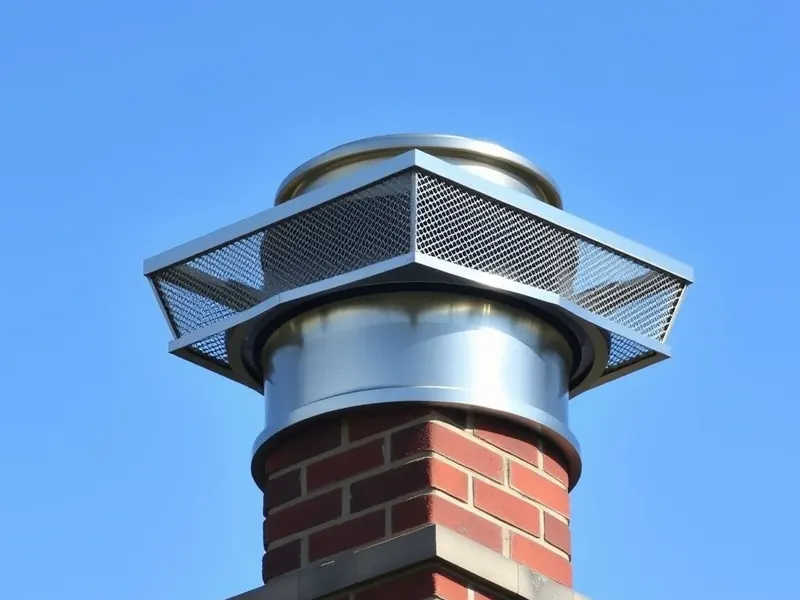
Signs that wind is to blame: smoke puffs in with the gusts, mostly when the wind comes from one direction, and the fireplace behaves on still nights. Remedies range from a downdraft-resistant cap to a taller flue, depending on the chimney top and its surroundings.
Tight Houses and Negative Pressure
Many older Morris County homes have been updated with new windows, foam insulation, powerful range hoods and bathroom fans. Each change makes the house more comfortable, and together they let the house exhaust air faster than gaps and cracks can replace it. The fireplace is the biggest hole in the shell, so when the house runs short of air, outdoor air comes down the flue and brings the smoke along. Basement fireplaces have it hardest, because warm air rising through the house leaves the lowest floor at lower pressure, and that pull grows stronger as the weather gets colder.
A simple test: while the fire is smoking, open a window a few inches in the same room. If the smoke turns and heads up the chimney within a minute or so, the house needs more air. Then switch off the range hood, bath fans and clothes dryer one at a time to find what is pulling hardest. Lasting fixes include an outside air supply for the fireplace or a change in how the exhaust fans run.
Take this one seriously for another reason. The same negative pressure that pulls smoke out of a fireplace can pull exhaust out of a gas water heater or furnace flue, and that exhaust carries carbon monoxide. Keep CO alarms working outside the bedrooms and on every level; our guide to carbon monoxide and furnace flue safety explains New Jersey's alarm rules.
Quick Checks, and When Smoke Is an Emergency
Work through these in order the next time the fireplace smokes:
- Is the damper fully open, and does a flashlight show daylight above it?
- Is this the first fire after the chimney sat cold? Give a small, hot fire a few minutes.
- Does opening a window or shutting off the exhaust fans stop the smoke?
- Is it windy, and does the smoke come in gusts?
- Is the wood dry? Wood stacked uncovered through a wet Morris County fall smolders and makes far more smoke than the flue can carry. The EPA's best wood-burning practices call for dry, split wood seasoned for at least six months.
Some smoke has nothing to do with draft. Treat these as emergencies: get everyone outside and call 911 first.
- A carbon monoxide alarm going off.
- Smoke coming from walls, ceilings, the attic or around the chimney breast instead of out of the fireplace opening.
- A roaring or rumbling sound from the chimney, or sparks and flames from the top, which can mean a chimney fire.
- Smoke that keeps filling the room after the fire is out and the damper is open.
Once everyone is safe and the fire department has done its work, call us: 1stCall Emergency Chimney answers 24/7 through our emergency chimney service. A fireplace that simply smokes can wait for a daytime visit, when we test it with the house running as usual.